Nashville’s Civil Rights Leaders
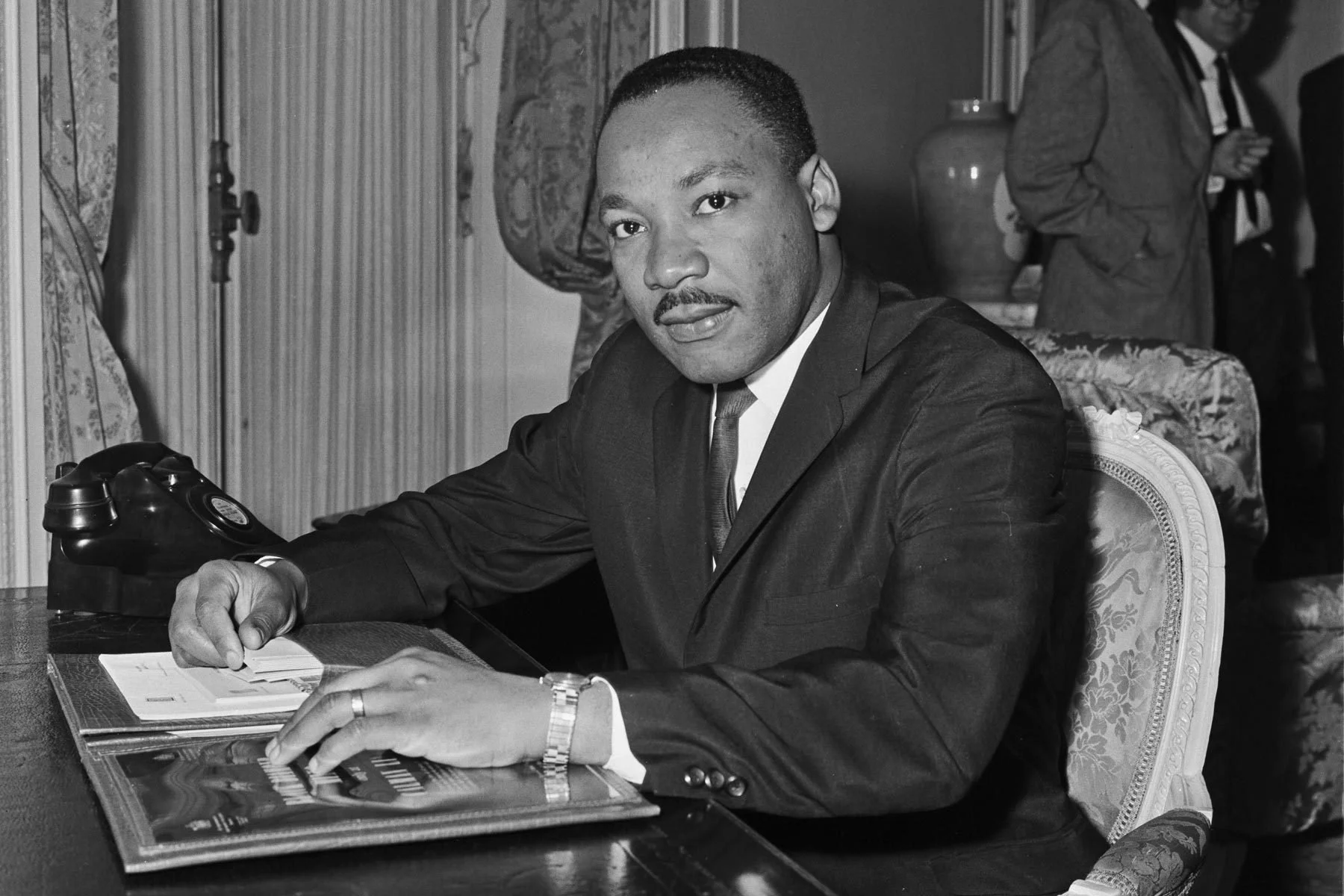
King was jailed several times. FBI agents investigated him for possible communist ties, spied on his personal life, and secretly recorded him. In 1964, the FBI mailed King a threatening anonymous letter, which he interpreted as an attempt to make him commit suicide. King won the 1964 Nobel Peace Prize for combating racial inequality through nonviolent resistance. In his final years, he expanded his focus to include opposition towards poverty and the Vietnam War.
In 1968, King was planning a national occupation of Washington, D.C., to be called the Poor People's Campaign, when he was assassinated on April 4 in Memphis, Tennessee. James Earl Ray was convicted of the assassination, though it remains the subject of conspiracy theories. King's death led to riots in US cities. King was posthumously awarded the Presidential Medal of Freedom in 1977 and Congressional Gold Medal in 2003. Martin Luther King Jr. Day was established as a holiday in cities and states throughout the United States beginning in 1971; the federal holiday was first observed in 1986. The Martin Luther King Jr. Memorial on the National Mall in Washington, D.C., was dedicated in 2011.
Martin Luther King Jr.
Martin Luther King Jr. (January 15, 1929 – April 4, 1968) was an American civil rights activist and Baptist minister who was a leader of the civil rights movement from 1955 until his assassination in 1968. He advanced civil rights for people of color in the United States through the use of nonviolent resistance and civil disobedience against Jim Crow laws and other forms of legalized discrimination, which most commonly affected African Americans.
A Black church leader, King participated in and led marches for the right to vote, desegregation, labor rights, and other civil rights. He oversaw the 1955 Montgomery bus boycott and was the first president of the Southern Christian Leadership Conference (SCLC), leading the unsuccessful Albany Movement in Albany, Georgia, and helping organize nonviolent 1963 protests in Birmingham, Alabama. King was one of the leaders of the 1963 March on Washington, where he delivered his "I Have a Dream" speech, and helped organize two of the three Selma to Montgomery marches during the 1965 Selma voting rights movement. The civil rights movement achieved pivotal legislative gains in the Civil Rights Act of 1964, the Voting Rights Act of 1965, and the Fair Housing Act of 1968.
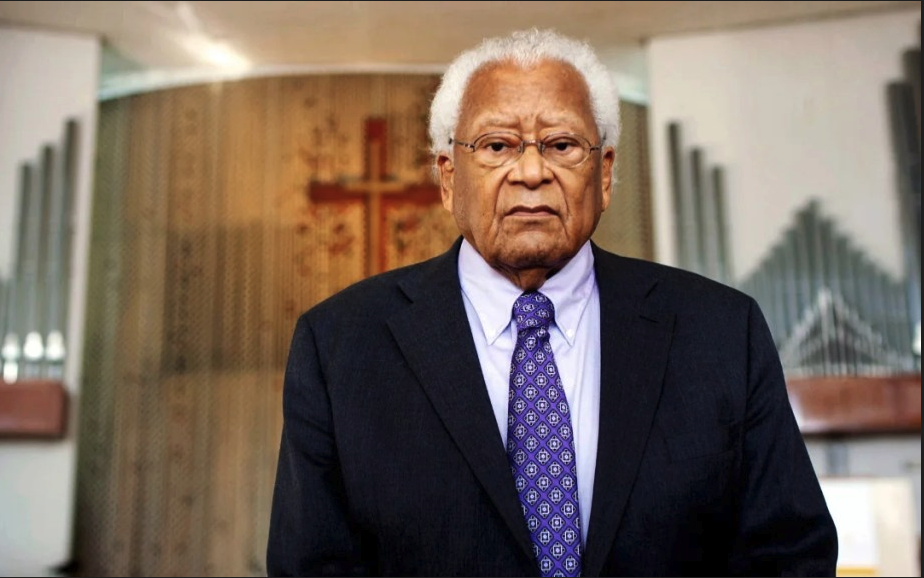
James Lawson
The leading strategist of the Black freedom struggle left a radical legacy and methodology that’s inspired countless movements.
James Morris Lawson Jr. (September 22, 1928 – June 9, 2024) was an American activist and university professor. He was a leading theoretician and tactician of nonviolence within the Civil Rights Movement. During the 1960s, he served as a mentor to the Nashville Student Movement and the Student Nonviolent Coordinating Committee.
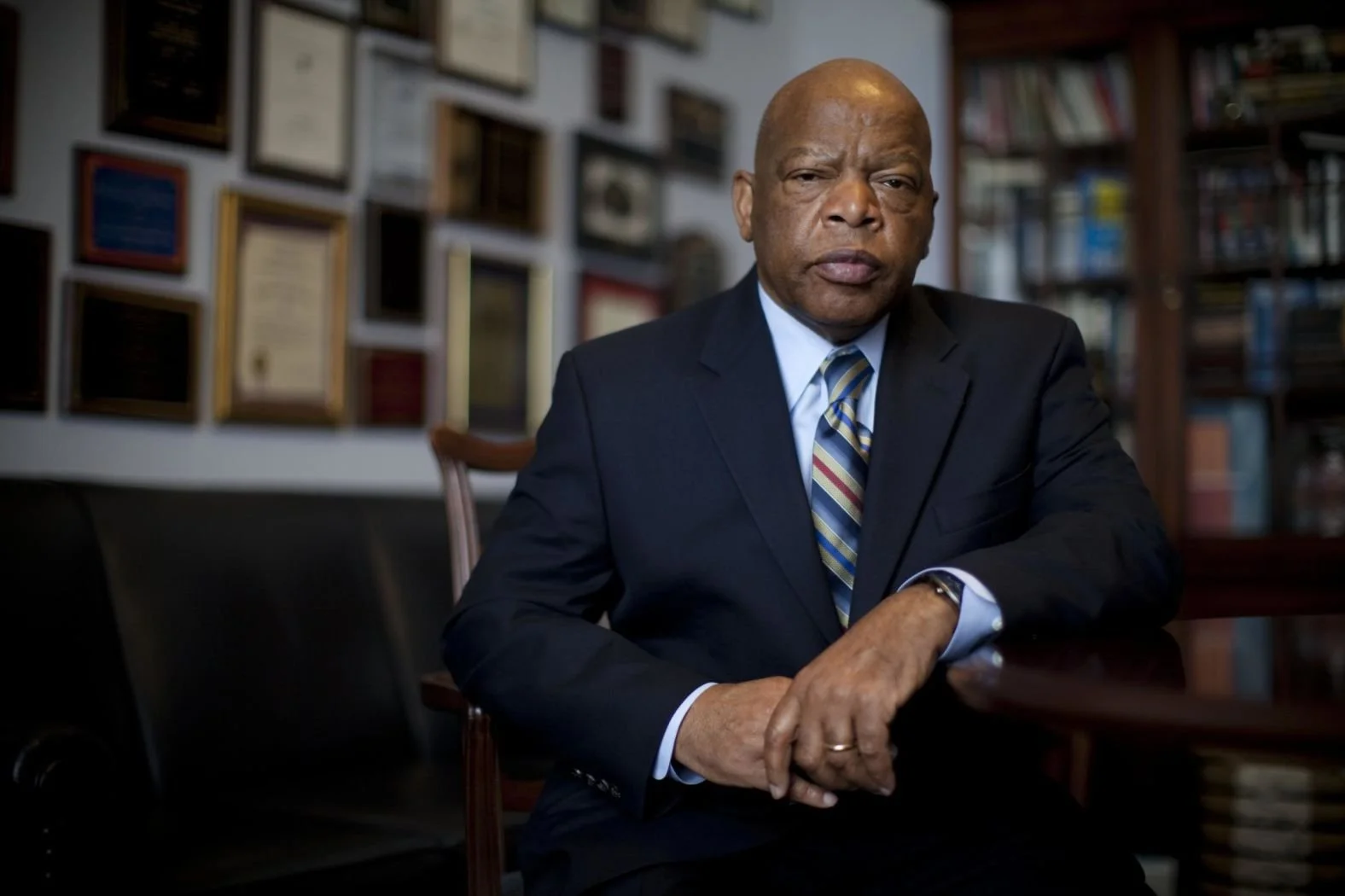
John Lewis
John Robert Lewis (February 21, 1940 – July 17, 2020) was an American civil rights activist and statesman who served in the United States House of Representatives for Georgia's 5th congressional district from 1987 until his death in 2020. He participated in the 1960 Nashville sit-ins and the Freedom Rides, was the chairman of the Student Nonviolent Coordinating Committee (SNCC) from 1963 to 1966, and was one of the "Big Six" leaders of groups who organized the 1963 March on Washington. Fulfilling many key roles in the civil rights movement and its actions to end legalized racial segregation in the United States, in 1965 Lewis led the first of three Selma to Montgomery marches across the Edmund Pettus Bridge where, in an incident that became known as Bloody Sunday, state troopers and police attacked Lewis and the other marchers.
A member of the Democratic Party, Lewis was first elected to the U.S. House of Representatives in 1986 and served 17 terms. The district he represented included most of Atlanta. Due to his length of service, he became the dean of the Georgia congressional delegation. He was one of the leaders of the Democratic Party in the House, serving from 1991 as a chief deputy whip and from 2003 as a senior chief deputy whip. He received many honorary degrees and awards, including the Presidential Medal of Freedom in 2011.
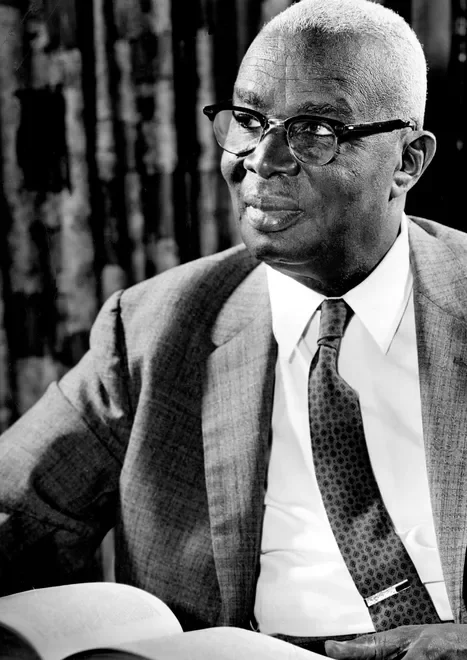
Z Alexander Looby
Zephaniah Alexander Looby (April 8, 1899 – March 24, 1972) was a lawyer in Nashville, Tennessee, who was active in the civil rights movement. Born in the British West Indies, he immigrated to the United States at the age of 15; he earned degrees at Howard University, Columbia University Law School and New York University.
He settled in Nashville, Tennessee, where he built a law practice and taught at Fisk University. He is noted for being part of the defense team for 25 black men charged in attempted murder for the Columbia race riot of 1946 and winning acquittals for most, in the aftermath of the first major racial confrontation in the United States after World War II. He participated in numerous other cases, including leading desegregation of schools in Nashville. He served as a Republican member of the Nashville City Council from 1951 to 1971. His house was bombed by segregationists on April 19, 1960.
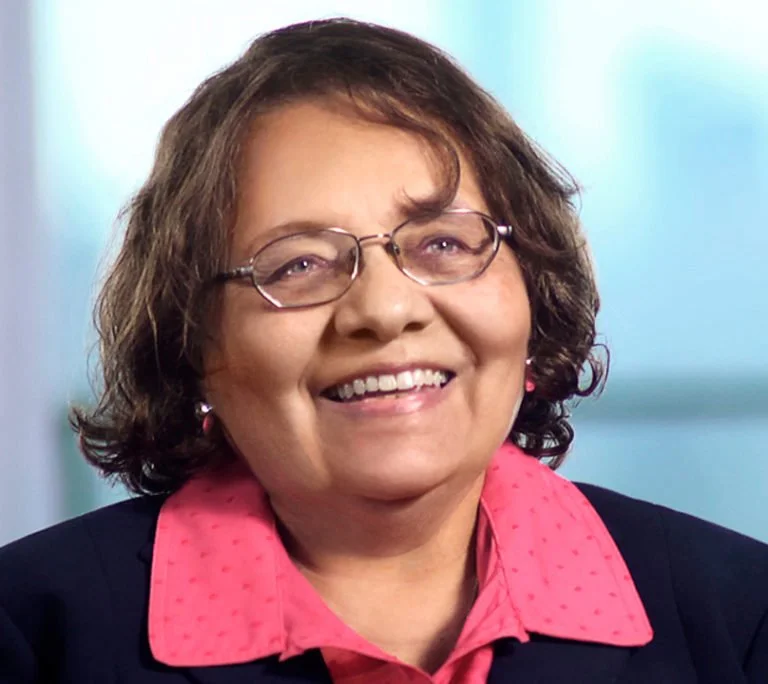
Diane Nash
Diane Judith Nash (born May 15, 1938) is an American civil rights activist, and a leader and strategist of the student wing of the Civil Rights Movement.
Nash's campaigns were among the most successful of the era. Her efforts included the first successful civil rights campaign to integrate lunch counters (Nashville); the Freedom Riders, who desegregated interstate travel; co-founding the Student Nonviolent Coordinating Committee (SNCC); and co-initiating the Alabama Voting Rights Project and working on the Selma Voting Rights Movement. This helped gain Congressional passage of the Voting Rights Act of 1965, which authorized the federal government to oversee and enforce state practices to ensure that African Americans and other minorities were not prevented from registering and voting.
In July 2022, Nash was awarded the Presidential Medal of Freedom by President Joe Biden.
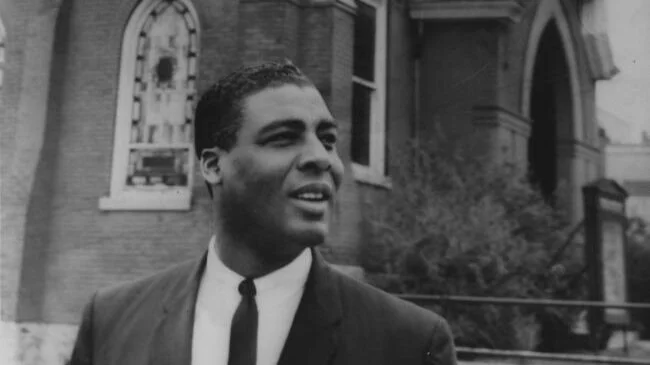
Kelly Miller Smith
Kelly Miller Smith Sr. (October 28, 1920 – June 3, 1984) was a Baptist preacher, author, and prominent activist in the Civil Rights Movement, who was based in Nashville, Tennessee.
Smith moved to Nashville in 1951 where he became pastor of First Baptist Church, Capitol Hill, a post he would retain until his death in 1984. He also served on the faculty of the American Baptist Theological Seminary. He became president of the Nashville NAACP in 1956 and founded the Nashville Christian Leadership Council (NCLC) in 1958. Through the NCLC, Smith helped to organize and support the Nashville sit-ins—a movement which would successfully end racial segregation at lunch counters in Nashville. In a 1964 interview with Robert Penn Warren for the book Who Speaks for the Negro?, Smith comments that the end to segregation was achieved through much hardship and many negotiations by the NCLC.
In 1969, Smith became assistant dean of the Vanderbilt University Divinity School. He was the first African American to become a faculty member in the school.
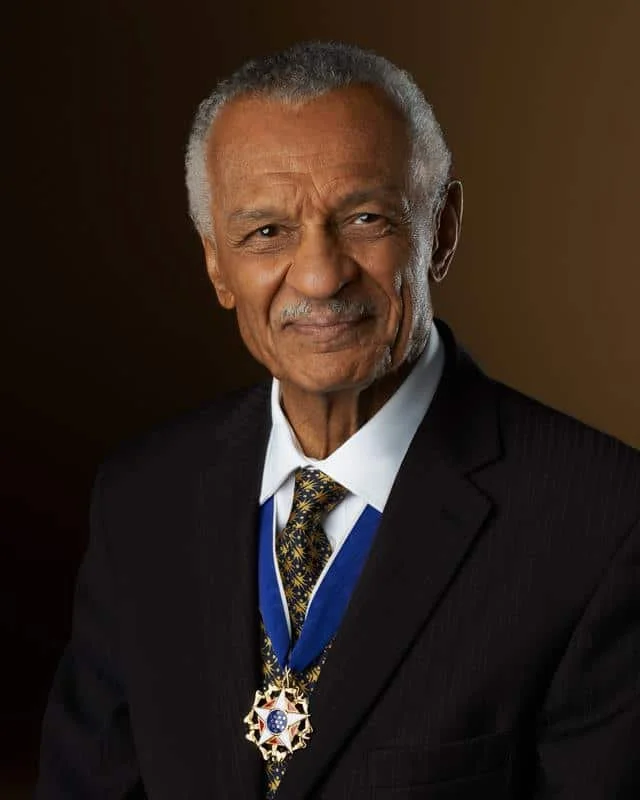
CT Vivian
Cordy Tindell Vivian (July 30, 1924 – July 17, 2020) was an American minister, author, and close friend and lieutenant of Martin Luther King Jr. during the civil rights movement. He resided in Atlanta, Georgia, and founded the C. T. Vivian Leadership Institute, Inc. He was a member of the Alpha Phi Alpha fraternity.
Studying for the ministry at American Baptist Theological Seminary (now called American Baptist College) in Nashville, Tennessee, in 1959, Vivian met James Lawson, who was teaching Mohandas Gandhi's nonviolent direct action strategy to the Nashville Student Movement. Soon Lawson's students, including Diane Nash, Bernard Lafayette, James Bevel, John Lewis and others from American Baptist, Fisk University and Tennessee State University, organized a systematic nonviolent sit-in campaign at local lunch counters. On April 19, 1960, 4,000 demonstrators peacefully walked to Nashville's City Hall, where Vivian and Diane Nash discussed the situation with Nashville Mayor Ben West. As a result, Mayor West publicly agreed that racial discrimination was morally wrong. Many of the students who participated in the Nashville Student Movement soon took on major leadership roles in both the Student Nonviolent Coordinating Committee (SNCC) and the Southern Christian Leadership Conference (SCLC).
Vivian helped found the Nashville Christian Leadership Conference, and helped organize the first sit-ins in Nashville in 1960 and the first civil rights march in 1961. In 1961, Vivian participated in Freedom Rides. He worked alongside Martin Luther King Jr. as the national director of affiliates for the SCLC.